Basement walls in Seattle, Tacoma, and Olympia sit against wet soil for most of the year, and the wrong insulation traps that moisture behind the wall instead of keeping it out. This guide ranks the five materials contractors actually install on Pacific Northwest basement walls in 2026 and tells you which one fits your project, your budget, and your moisture problem.
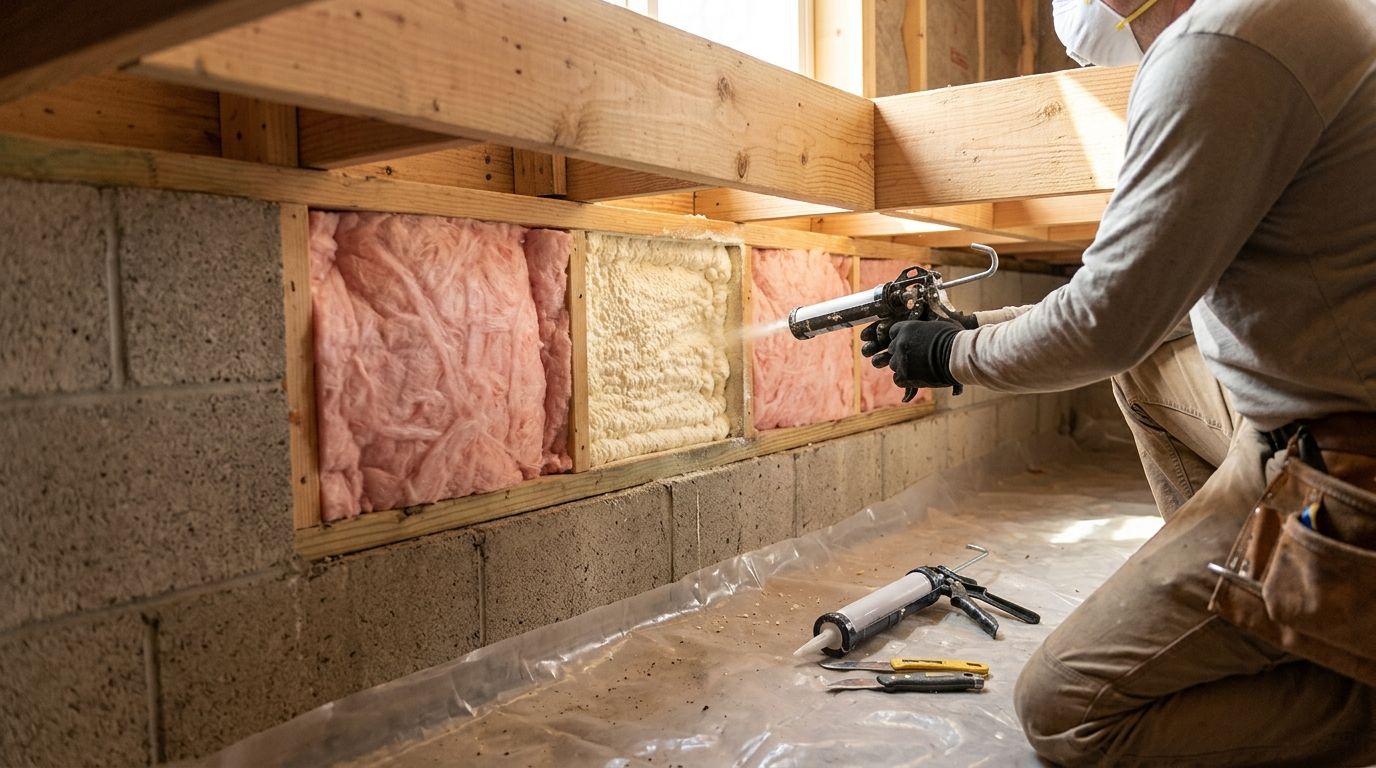
- Closed-cell spray foam is the best insulation for basement walls facing Pacific Northwest ground moisture in 2026.
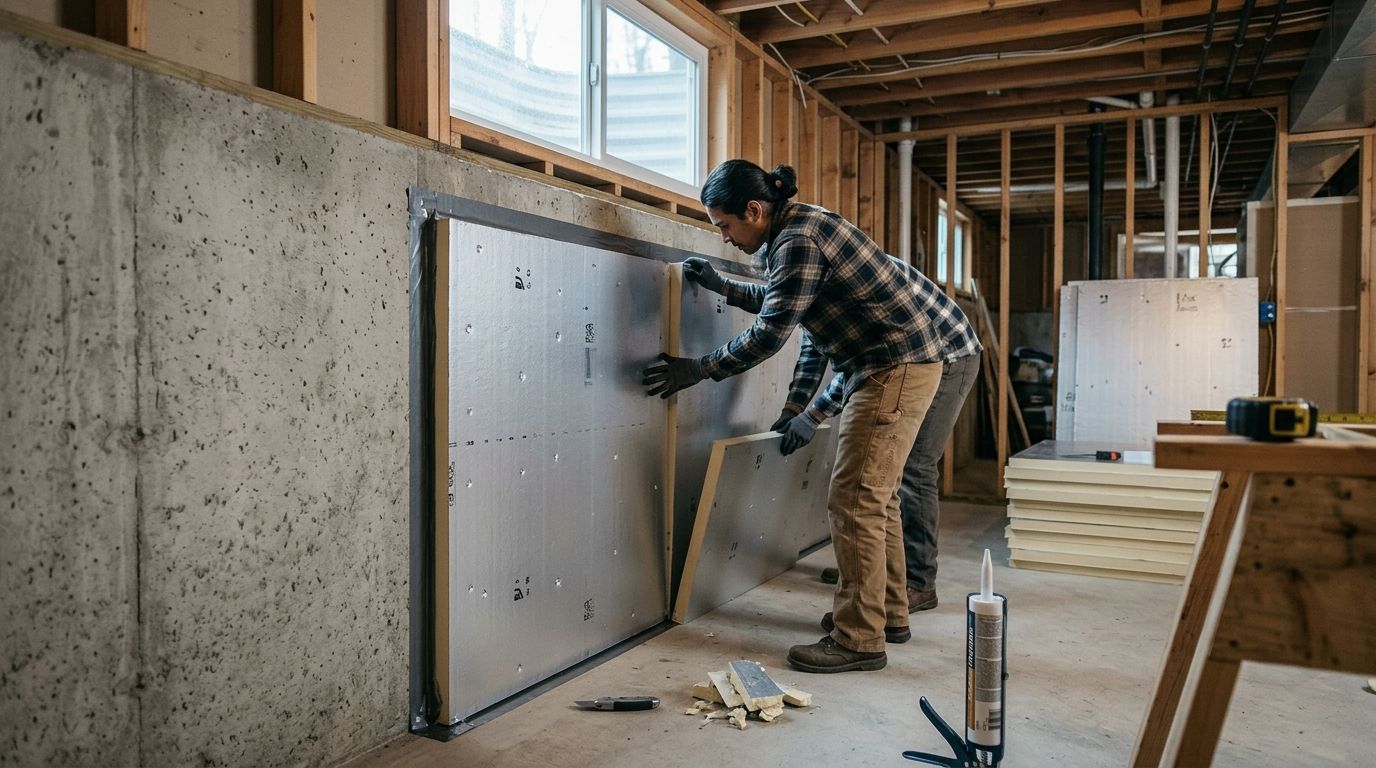
- Rigid XPS foam board works best for DIY retrofits over already-framed basement walls.
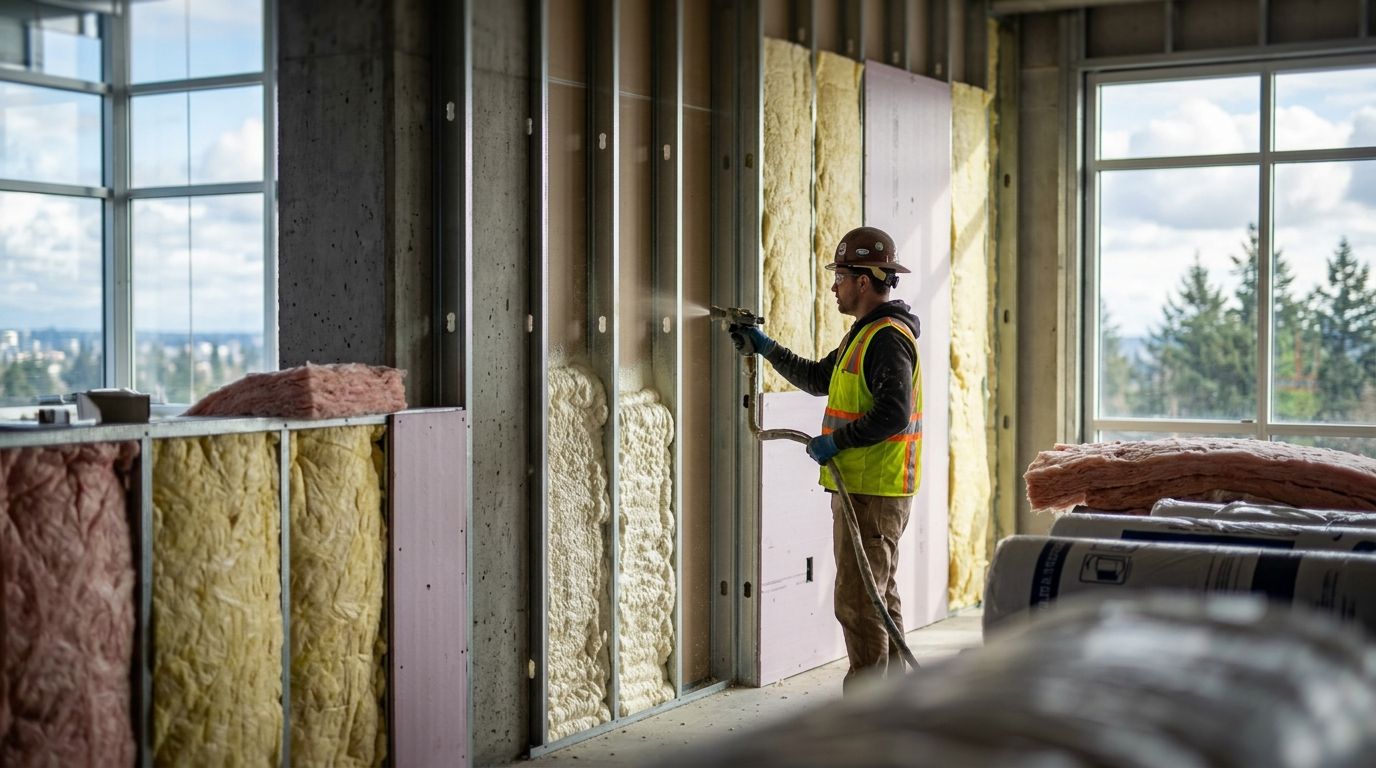
- Mineral wool batts win on fire rating for multi-family basement walls.
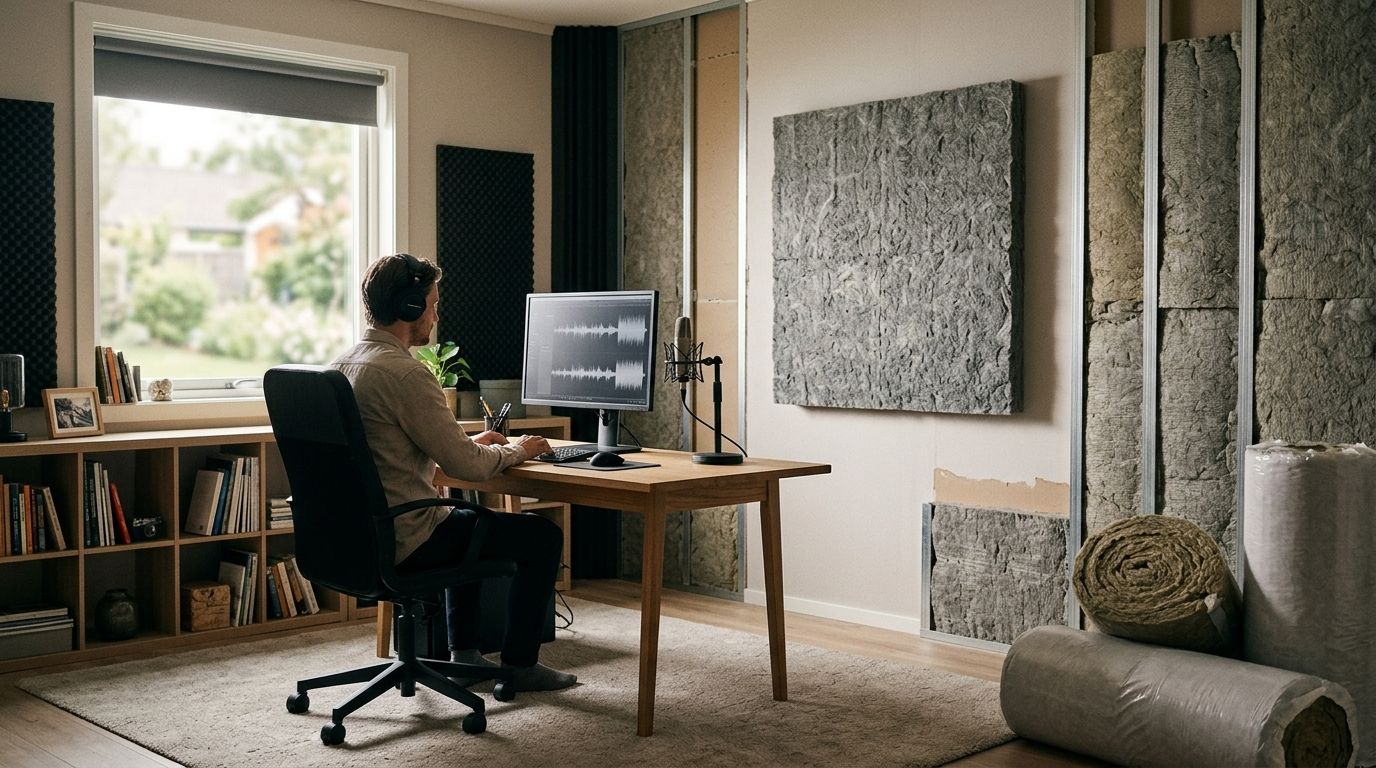
- Open-cell spray foam handles sound dampening on rim joists and interior partition walls.
- Fiberglass batts cost the least upfront but wick moisture in below-grade Seattle and Tacoma basements.
Why this matters
Puget Sound basements aren't like basements in Denver or Chicago. The water table sits high, foundation walls are poured against clay-heavy soil, and the region logs roughly 150 rainy days a year. That combination means any insulation without built-in moisture resistance becomes a mold substrate within a couple of seasons.
AT Foam installs crawl space and basement wall insulation across Seattle, Tacoma, and Olympia, and the failure pattern shows up the same way almost every time: fiberglass batts stapled to furring strips, soaked from the back, sagging by year three. The fix isn't a better batt. It's picking the right material class for a below-grade wall in a wet climate.
What makes the best insulation for basement walls
- Moisture resistance — does the material absorb water, wick it, or shed it entirely
- R-value per inch — how much insulating power you get for the wall cavity depth you have
- Air sealing — does it stop air leakage on its own or need a separate vapor/air barrier
- Fire performance — matters more in multi-family and commercial basement assemblies
- Code compliance below grade — some materials require vapor barrier detailing to meet Washington energy code on foundation walls
- Installed labor complexity — DIY-friendly vs. contractor-only application
Basement wall insulation at a glance
| Material | Best for | Standout feature | Key limitation |
|---|---|---|---|
| Closed-cell spray foam | Moisture-prone below-grade walls | Acts as its own vapor retarder at full cure | Requires professional application equipment |
| Rigid XPS foam board | DIY retrofit over framed walls | Consistent R-5 per inch, cuts to size | Seams need taping to air seal properly |
| Mineral wool batts | Fire-rated multi-family basements | Inorganic, doesn't feed mold growth | Lower air sealing than foam without added barrier |
| Open-cell spray foam | Rim joists and interior partition walls | Dense cell structure dampens sound | Vapor-open, not ideal against damp masonry |
| Fiberglass batts | Dry, above-grade basement sections | Lowest material cost per square foot | Wicks and holds moisture against foundation walls |
1. Closed-cell spray foam: best insulation for basement walls facing ground moisture
Closed-cell spray foam delivers roughly R-6 to R-7 per inch, and at about two inches of thickness it functions as a Class II vapor retarder on its own. That matters on a poured concrete or block basement wall in Olympia or Tacoma, where moisture migrates through the foundation year-round. The foam bonds directly to the concrete, closing off the air gaps that fiberglass and loose board insulation leave behind.
Closed-cell spray foam pros:
- Doubles as air seal and vapor retarder in one application
- Highest R-value per inch of any material on this list
- Adds rigidity to the wall assembly, which helps against minor foundation movement
Closed-cell spray foam cons:
- Costs more upfront per board foot than batts or rigid board
- Needs a licensed contractor with spray equipment, not a weekend DIY job
- Overapplication without proper thickness control wastes material
Best for: below-grade basement walls in wet Pacific Northwest soil where moisture control matters more than upfront cost.
Verdict: Buy — if the basement wall sits against soil and shows any history of dampness, closed-cell spray foam is the material that stops the problem instead of covering it up.
Get a basement wall insulation quote
Free estimate for closed-cell spray foam on below-grade walls in Seattle, Tacoma, and Olympia.
2. Rigid XPS foam board: best insulation for basement walls on a DIY retrofit
Extruded polystyrene (XPS) board runs about R-5 per inch and holds up to moisture better than expanded polystyrene (EPS) or fiberglass because of its closed cell structure. It's the material most homeowners reach for when furring strips or a stud wall already exist and the project is a weekend retrofit rather than a full contractor job.
XPS foam board pros:
- Consistent, factory-set R-value with no application variability
- Cuts with a utility knife, no special tools required
- Resists moisture absorption better than batt insulation
XPS foam board cons:
- Seams need taping or the air-sealing benefit disappears
- Doesn't bond to irregular concrete surfaces the way spray foam does
- Thinner boards (under 2 inches) fall short of Washington energy code R-value targets for foundation walls without doubling up
Best for: homeowners retrofitting an existing framed basement wall themselves, on a schedule that doesn't allow for a contractor crew.
Verdict: Hold — solid choice for DIY, but tape every seam or you've just added R-value without solving air leakage.
3. Mineral wool batts: best insulation for basement walls in fire-rated assemblies
Rock wool (mineral wool) runs R-3.7 to R-4.3 per inch and is made from spun basalt fiber, so it's inorganic and doesn't feed mold the way paper-faced fiberglass does. Multi-family basement walls, mechanical rooms, and any assembly that needs a fire rating lean on mineral wool because it resists ignition where fiberglass and foam products need additional fire-rated coverings.
Mineral wool batts pros:
- Inorganic composition resists moisture damage and mold growth
- Higher fire resistance than fiberglass or foam without added drywall layers
- Denser material also cuts sound transmission through basement partition walls
Mineral wool batts cons:
- Lower R-value per inch than closed-cell spray foam
- Doesn't air seal on its own — needs a separate air barrier detail
- Heavier and more expensive per bag than standard fiberglass batts
Best for: multi-family and commercial basement walls where fire code drives the material choice.
Verdict: Buy — if the project involves a fire-rated assembly requirement, mineral wool is the practical answer over foam or fiberglass.
4. Open-cell spray foam: best insulation for basement rim joists and partition walls
Open-cell spray foam runs R-3.5 to R-3.6 per inch, roughly half the R-value of closed-cell, but its softer, vapor-open structure makes it a better fit for interior partition walls and rim joist cavities above grade rather than against damp foundation concrete. It expands to fill irregular framing gaps and dampens sound transfer through basement ceiling and wall cavities better than batts.
Open-cell spray foam pros:
- Fills irregular rim joist and framing cavities completely
- Noticeably better sound dampening than fiberglass in partition walls
- Lower material cost than closed-cell for the same cavity depth
Open-cell spray foam cons:
- Vapor-permeable, so it's not the right call against a wet foundation wall
- Lower R-value per inch means thicker cavities needed to hit code
- Can hold moisture if it does get wet, unlike closed-cell
Best for: rim joists, sill plates, and interior basement partition walls — not the exterior foundation wall itself.
Verdict: Hold — right tool for rim joists and sound control, wrong tool for below-grade moisture.
5. Fiberglass batts: best budget insulation for dry, above-grade basement sections
Fiberglass batts run R-3.1 to R-3.8 per inch and remain the cheapest material by square foot. In a basement, that low cost only makes sense on the portion of a wall that sits above grade and stays consistently dry — daylight basement sections in Tacoma or Federal Way, for example, where the wall isn't in contact with wet soil.
Fiberglass batts pros:
- Lowest material cost of any option on this list
- Widely available and simple to install in standard stud bays
- Familiar material for most contractors and inspectors
Fiberglass batts cons:
- Wicks and holds moisture against foundation walls, which drives mold growth
- Loses R-value when compressed or when it settles over time
- Does nothing to air seal the wall cavity on its own
Best for: dry, above-grade basement wall sections only — skip it entirely on walls in contact with soil.
Verdict: Skip — for any wall below grade in a Pacific Northwest basement, fiberglass is the wrong material regardless of price.
How this list was ranked
Each material was scored against the six criteria above: moisture resistance, R-value per inch, air sealing capability, fire performance, code compliance below grade, and installed labor complexity. Closed-cell spray foam ranked first because it's the only material that solves moisture control and air sealing in a single application on a below-grade wall — the two failure points that show up most often in Puget Sound basements.
“The fix for a wet basement wall isn't a better batt. It's picking a material that stops moisture instead of absorbing it.”
Which basement wall insulation should you choose?
If the wall sits against soil and the basement has any history of dampness, closed-cell spray foam is the default choice for 2026 — it's the only material on this list built to handle both moisture and air sealing at once. Reserve XPS board for framed retrofit walls you're doing yourself, mineral wool for fire-rated multi-family jobs, open-cell foam for rim joists and sound control, and fiberglass only for dry, above-grade sections. Get the diagnosis wrong here and you're re-doing the wall in three years.
FAQ
What is the best insulation for basement walls in the Pacific Northwest?
Closed-cell spray foam is the best insulation for basement walls in wet climates like Seattle, Tacoma, and Olympia because it acts as its own vapor retarder at roughly two inches thick. It seals air leaks and blocks moisture in one application, which fiberglass and rigid board can't do without added barriers.
Is spray foam better than fiberglass for basement walls?
Yes, for below-grade walls. Fiberglass wicks and holds moisture against foundation concrete, which drives mold growth in Pacific Northwest basements, while closed-cell spray foam resists water absorption entirely.
Do I need a vapor barrier with spray foam on basement walls?
Closed-cell spray foam applied at roughly two inches or more functions as its own Class II vapor retarder, so a separate poly vapor barrier usually isn't needed. Open-cell foam and fiberglass still require a separate vapor and air barrier strategy.
Can I insulate basement walls myself?
Rigid XPS foam board is the most DIY-friendly option because it cuts with a utility knife and doesn't require spray equipment. Spray foam, both open-cell and closed-cell, requires a licensed contractor with proper application tools.
Is mineral wool or fiberglass better for basement walls?
Mineral wool is better for basement walls because it's inorganic and resists moisture and mold growth, unlike paper-faced fiberglass. It also carries a higher fire rating, which matters in multi-family basement assemblies.
What R-value do basement walls need in Washington state?
Washington energy code sets minimum R-value targets for below-grade foundation walls that vary by assembly type, and closed-cell spray foam hits those targets at a thinner cavity depth than fiberglass or open-cell foam because it delivers roughly R-6 to R-7 per inch.
Does open-cell spray foam work on basement walls?
Open-cell spray foam works well on rim joists and interior partition walls in a basement but isn't the right choice for exterior foundation walls because its vapor-permeable structure doesn't block moisture from wet soil.
One last thing
The basement wall failures that show up most in Seattle and Tacoma inspections aren't from missing insulation — they're from insulation installed with no air seal or vapor strategy behind it, which traps moisture between the material and the concrete. A material with the right R-value on paper still fails if it's the wrong class of product for a below-grade wall in a wet climate.